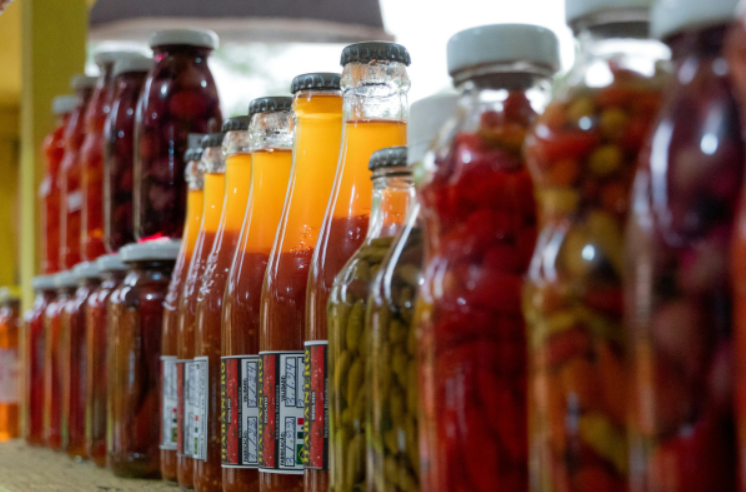
Pickles are not just a side dish in our plate, rather it’s a spoon full of memories, emotions and stories in our plate. When we add it as a side dish to our menu, it reminds us about our home, our childhood, and the people who made it with love. In most Indian homes, pickles are not store bought rather they are made at home with care and patience which is even passed through generations.
Making pickles is not just cooking, it brings families together, mother, grandmother and even children all help in the making process. Talking, laughing, and sharing old stories while preparing the ingredients.
So, every jar of pickle tells the family stories, the region’s culture, and of memories that last for years.
Local Ingredients, Local Flavors
Pickles are the direct reflection of the country or region you come from. The vegetables, fruits, and herbs used in pickling are often those that grow abundantly in a particular region, making each pickle a taste of its local environment.
In India, mango, tamarind and lime are commonly pickled, creating bold, spicy flavors that echo the vibrant and diverse local cuisine. In contrast, in Eastern Europe, cucumbers, cabbage, and dill dominate pickling traditions, highlighting the cooler climate’s seasonal produce. The spices used in the pickles and chutneys are a direct reflection of the region and its culinary preference.
Family Recipes and Traditions
Making Pickles is not just preservation, it is a family tradition that carries memories and stories from one generation to another. Many families have their own special pickle recipes that are passed down from parents or grandparents. These recipes might not be written anywhere but are remembered through practice and taste.
Each family adds its own touch. Some might use extra chili for more spice, others might add a special mix of seeds or herbs. These small changes make each family’s pickles unique and full of memories.
Making pickles reminds people of time spent in the kitchen, helping each other and sharing stories. As families move or adapt to new environments, their pickle recipes evolve too. They often keep making their pickles, using whatever ingredients they can find. There may be change in taste but the tradition and love behind making the pickles remains the same.
Pickles as Symbols of Home and Memory
Pickles often remind people of home and family. The smell or taste of a favorite pickle can bring back memories of childhood, family meals, or helping a parent or grandparent in the kitchen. Many families have their own special way of making pickles, and the recipe is passed from generation to generation.
For immigrant families, making or eating the pickles from their home country can be a way to feel close to their roots. A jar of homemade pickle can remind someone of the people, places, and traditions they grew up with.
In this way, pickles are not just a food item, it’s also a symbol of home and memory.
Cultural and Emotional Significance
Pickles are an important part of many cultures around the world. The ingredients used to prepare pickles, the way they are made, and the time taken to prepare the pickles often reflect local customs and traditions. Pickles are sometimes made together in families in some seasons and this strengthens family and community bonds.
Pickles remind people of their hometown, their families and the special bond with them. It connects people to their past and helps keep cultural traditions alive, even when they are far from home.
Pickles are not just preserved food but they are a part of people’s identity, holding both cultural meaning and emotional warmth.
Modern Times – Old Traditions in New Kitchens
Even in today’s world, the tradition of making pickles continues. Many people still use their family recipes but adapt them to fit modern kitchens and lifestyles. Now people use glass jars, and refrigeration instead of sun drying to speed up the pickling process.
Though methods may change, the meaning stays the same. Making pickles still connects people to their culture, their family roots, and the joy of creating something by hand. We can say old traditions are simply finding a new way in the modern kitchen.
Conclusion
Pickles are not just a small part of a meal rather they hold a big story. They show the unique flavors of each place and carry the traditions of families across generations.
Whether it is made in a modern kitchen or a small village, it reminds us of our culture and traditions. They keep memories alive, bring comfort through familiar tastes, and connect people to their roots. Every bite of it reflects a piece of history, culture, and family tradition that are passed from generation to generation. No matter where we are, these pickles remind us that some traditions never fade, they simply grow with us.