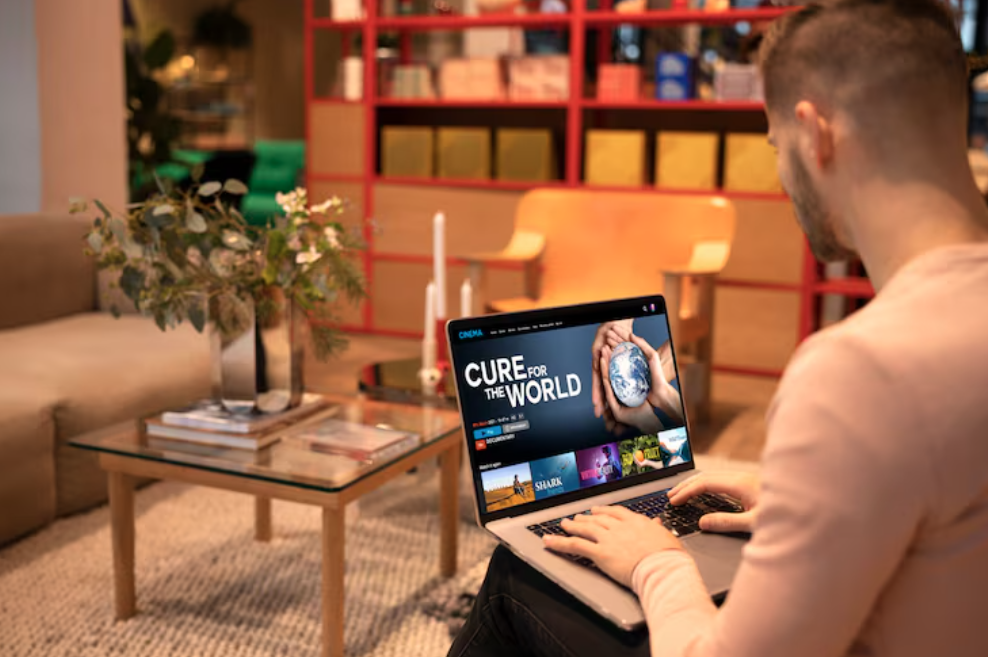
Roku emerged as a transformative force in home entertainment, founded in 2002 by Anthony Wood, an innovator with prior experience in digital video recorders. Initially conceived as a device to bridge internet content with televisions, the company launched its first product in 2008—a compact player designed exclusively for Netflix streaming. This early collaboration with Netflix positioned Roku at the forefront of the shift from physical media to digital delivery, allowing users to access on-demand video without complex setups or high costs.
Over the years, Roku evolved from a niche Netflix accessory into a comprehensive ecosystem. By introducing a channel store in 2009, it expanded beyond one service, inviting thousands of content providers to join. This open approach distinguished Roku from competitors, fostering a diverse library that appealed to a broad audience seeking simplicity in an increasingly fragmented media landscape.
Core Components of the Roku Ecosystem
At its heart, Roku operates through a combination of hardware and software designed for seamless integration. The proprietary Roku OS serves as the backbone, powering both dedicated streaming devices and licensed smart televisions. Streaming players range from compact sticks that plug directly into HDMI ports to more advanced boxes supporting high-resolution formats and enhanced audio.
Roku TVs, manufactured in partnership with established brands, embed this operating system directly, eliminating the need for external hardware. Additional offerings include soundbars, wireless speakers, and even smart home devices, creating a unified environment for entertainment and connectivity.
The platform’s strength lies in its channel-based structure, where applications—referred to as channels—deliver content from major providers like Netflix, Disney+, and Hulu, alongside niche and international options. Users can customize their home screen, adding or removing channels to suit preferences, ensuring quick access to favored services.
Seamless Functionality and User Interface
Roku devices connect effortlessly to home Wi-Fi networks, transforming any compatible television into a smart hub. Setup involves minimal steps: powering the device, linking to the internet, and creating or signing into a Roku account. Once configured, the interface presents a clean, grid-like home screen with large icons for easy navigation using a straightforward remote.
Voice control enhances usability, allowing searches across multiple services simultaneously. Features like private listening via headphones connected to a mobile app, screen mirroring from phones or tablets, and universal search that aggregates results from various channels contribute to an intuitive experience. Regular over-the-air updates introduce new capabilities, keeping the system current without user intervention.
This design prioritizes accessibility, making it suitable for households with varying technical proficiency, from tech enthusiasts to those transitioning from traditional cable.
Driving Accessibility Through Free and Ad-Supported Content
A key element in Roku’s appeal is its emphasis on free entertainment. The Roku Channel, launched in 2017, provides a vast selection of ad-supported movies, shows, live news, and original programming at no cost. By 2025, it has grown significantly, offering hundreds of linear channels and reaching millions of households.
This model democratizes streaming, enabling viewers to enjoy premium-quality content without subscriptions. Roku’s neutral stance—aggregating services rather than competing directly—encourages partnerships, resulting in thousands of available channels, including premium options that require separate payments.
Advertising plays a central role, supporting free access while generating revenue through targeted placements on the home screen and within content.
Market Leadership and Ongoing Innovations
Roku has solidified its position as a dominant player in connected television, surpassing 90 million active streaming households by early 2025. Its devices lead in several regions, particularly North America and Latin America, where affordability and ease of use resonate with cord-cutters.
Recent developments include acquisitions enhancing live TV offerings, launches of subscription-based services like Howdy for ad-free viewing, and expansions into data analytics for improved advertising precision. Partnerships with measurement firms have further strengthened its ecosystem, providing valuable insights into viewer habits.
As streaming hours continue to rise, Roku’s platform captures a substantial portion of total TV viewing, reflecting its role in the broader transition to internet-delivered entertainment.
Shaping the Future of Home Viewing
Roku’s influence extends beyond hardware, redefining how audiences engage with television in an era dominated by on-demand and personalized content. By maintaining a focus on simplicity, broad compatibility, and innovative monetization, it continues to facilitate the streaming revolution, connecting viewers to an ever-expanding world of entertainment while adapting to evolving consumer demands.